

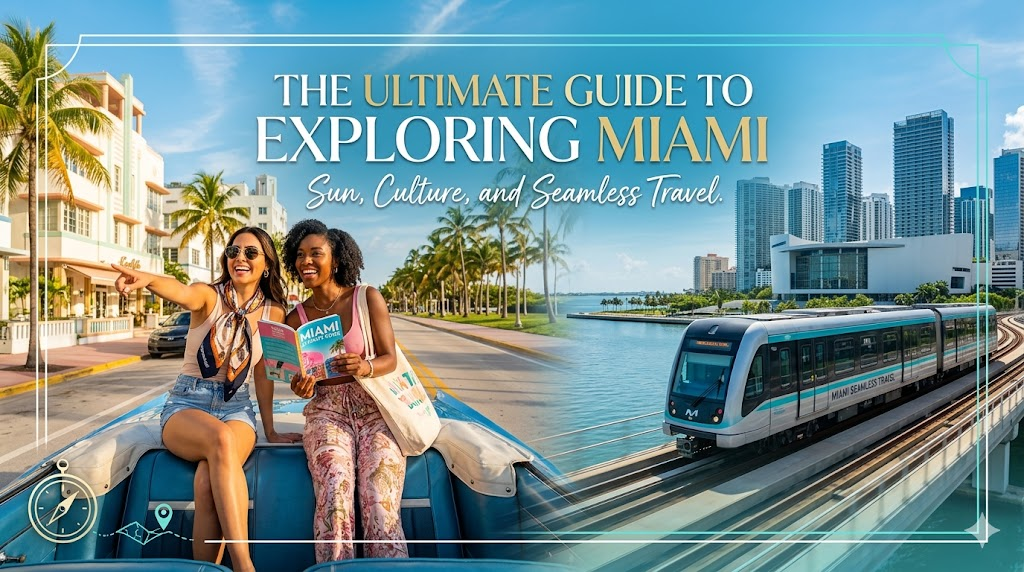
Miami is a city that defies simple categorization. It is a kaleidoscopic blend of Latin American culture, Art Deco glamour, cutting-edge contemporary art, and some of the world’s most famous stretches of sand. Whether you are arriving for a quick weekend getaway, embarking on a Caribbean cruise, or spending a week soaking up the tropical atmosphere, Miami offers an intensity and rhythm unlike any other American city.
However, the logistics of navigating a sprawling coastal metropolis can be daunting. Between the humidity, the traffic, and the transition between luxury hotels and beachfront relaxation, travelers often find themselves burdened by more than just their excitement. To truly enjoy the Magic City, one must master the art of “traveling light,” even when you have a full suitcase in tow.
Understanding Miami’s Diverse Neighborhoods
To experience Miami correctly, you have to look beyond South Beach. While the neon lights of Ocean Drive are iconic, the city’s soul is scattered across several distinct districts, each offering a unique flavor.
South Beach: The Art Deco Playground
South Beach is exactly what you see in the movies. The pastel-colored buildings of the Art Deco Historic District provide a stunning backdrop for the bustling activity of Lummus Park. Here, the focus is on seeing and being seen. Visitors can spend hours admiring the symmetry and neon signage of the 1930s architecture before heading to the water.
The challenge with South Beach is its pedestrian nature. It is a place built for walking, posing, and dining at sidewalk cafes. Navigating these narrow, crowded sidewalks with heavy bags is nearly impossible and certainly ruins the aesthetic of a sunset stroll. Many travelers who check out of their hotels at noon find themselves searching for a secure luggage storage miami location so they can enjoy one last Cuban sandwich or a dip in the Atlantic without dragging a rolling suitcase through the sand.
Wynwood: An Outdoor Museum
Moving inland, the Wynwood Art District has transformed from a warehouse area into one of the world’s premier destinations for street art. The Wynwood Walls serve as the centerpiece, but the entire neighborhood is a gallery. Every wall, door, and rooftop is covered in murals by international artists.
Wynwood is best explored on foot, popping in and out of craft breweries, high-end boutiques, and experimental art spaces. Because the terrain is industrial and the sun can be punishing, carrying heavy gear is a major deterrent to exploration. Having a hands-free experience here is essential for photographers and art enthusiasts who want to capture the perfect shot of the ever-changing street murals.
Little Havana: The Heart of the Community
A trip to Miami is incomplete without a visit to Calle Ocho (Southwest 8th Street). This is the epicenter of Cuban culture in the United States. The air is thick with the scent of roasting coffee and premium cigars. You can watch locals play intense matches of dominoes at Máximo Gómez Park or grab a “cafecito” from a walk-up window (ventanita).
The authenticity of Little Havana is found in its small, crowded shops and family-owned restaurants. Space is at a premium here, and bringing large bags into a crowded bakery while waiting for a fresh pastelito is not only difficult but often frowned upon.
Practical Tips for the Miami Climate
Miami’s weather is a major part of its appeal, but it requires preparation. It is a tropical monsoon climate, meaning it is hot and humid for much of the year, with frequent but brief afternoon thunderstorms.
- Hydration is Key: Always carry a reusable water bottle. The combination of heat and humidity can lead to dehydration faster than you might realize, especially when walking through outdoor areas like the Vizcaya Museum and Gardens.
- The “Miami Uniform”: Lightweight, breathable fabrics like linen and cotton are your best friends. While the city is famous for high fashion, the day-to-day reality involves staying cool.
- Sun Protection: The Florida sun is exceptionally strong. Even on cloudy days, UV levels remain high. Apply sunscreen early and often, and don’t forget a wide-brimmed hat.
- Rain Prep: During the summer months, a compact umbrella or a light poncho is a necessity. The rain usually passes quickly, but it is intense while it lasts.
Seamless Transitions: Managing Your Belongings
One of the most common issues travelers face in Miami occurs on “transition days.” These are the days when you check out of an Airbnb at 10:00 AM but your flight isn’t until 8:00 PM, or when you disembark from a cruise ship at PortMiami early in the morning and have a full day to kill before heading to the airport.
Miami is a city of movement. You might want to go from a morning meeting in Brickell to an afternoon at the beach, followed by a dinner in the Design District. Carrying luggage through these transitions is more than just a physical burden; it limits your options. Many high-end restaurants and museums do not allow large bags, and leaving valuables in a rental car is never recommended due to security risks.
Utilizing a professional service for your bags allows you to reclaim your day. By finding a reliable spot for your things, you can navigate the Metromover or ride-share apps with ease, ensuring that your last few hours in the city are spent making memories rather than guarding suitcases.
The Culinary Landscape
Miami’s food scene is a reflection of its demographic melting pot. While Cuban food is the most famous, you will also find incredible Haitian, Peruvian, Colombian, and Nicaraguan cuisine.
- Stone Crabs: If you visit between October and May, Joe’s Stone Crab is a mandatory stop. It is an institution that has been serving these Florida delicacies for over a century.
- Peruvian Ceviche: Miami has some of the best cevicherias outside of Lima. Look for spots in the Roads or near Coral Gables for authentic flavors.
- The Modern Food Hall: Places like 1-800-LUCKY in Wynwood offer a curated selection of Asian street food in a high-energy environment with a DJ, showcasing how the city blends food and entertainment.
Navigating the Magic City
While Miami is a car-centric city, there are ways to get around without a rental. The Metromover is a free, automated train that circles the Downtown and Brickell areas, offering great views of the skyline. For longer distances, Brightline offers a luxury rail experience connecting Miami to Fort Lauderdale, West Palm Beach, and Orlando.
For those staying primarily in the beach areas, the Miami Beach Trolley is a free service that runs several routes, making it easy to hop between the South of Fifth neighborhood and the Mid-Beach hotel row.
Sustainable and Respectful Tourism
As Miami grows, there is an increasing focus on preserving its natural beauty. The Everglades National Park is a short drive away, offering a glimpse into the unique ecosystem of South Florida. When visiting the beaches, it is crucial to follow the “leave no trace” policy. Plastic pollution is a significant threat to the local sea turtle populations and the coral reefs.
Furthermore, respect the local pace of life. In neighborhoods like Coconut Grove, things move a bit slower. Take the time to talk to local shop owners and learn about the history of the “Peacock” settlers or the Bahamian influence that built the city’s foundations.
Conclusion
Miami is a city that rewards the curious and the mobile. It is a place of vibrant colours, intense flavours, and a rhythm that lingers long after you leave. By planning your itinerary around the city’s diverse neighbourhoods, preparing for the tropical climate, and solving the logistical hurdle of managing your gear, you can experience the city like a local.
Don’t let the weight of your luggage dictate your final day in paradise. Whether you are catching a breeze at South Pointe Park or admiring the murals in Wynwood, the best way to see Miami is with your head up and your hands free. Embrace the spontaneity of the city, and let the Miami heat lead you to your next great adventure.
